The Fight Against Vaccine Misinformation
Reaching Black communities with credible health information requires trust and facts.
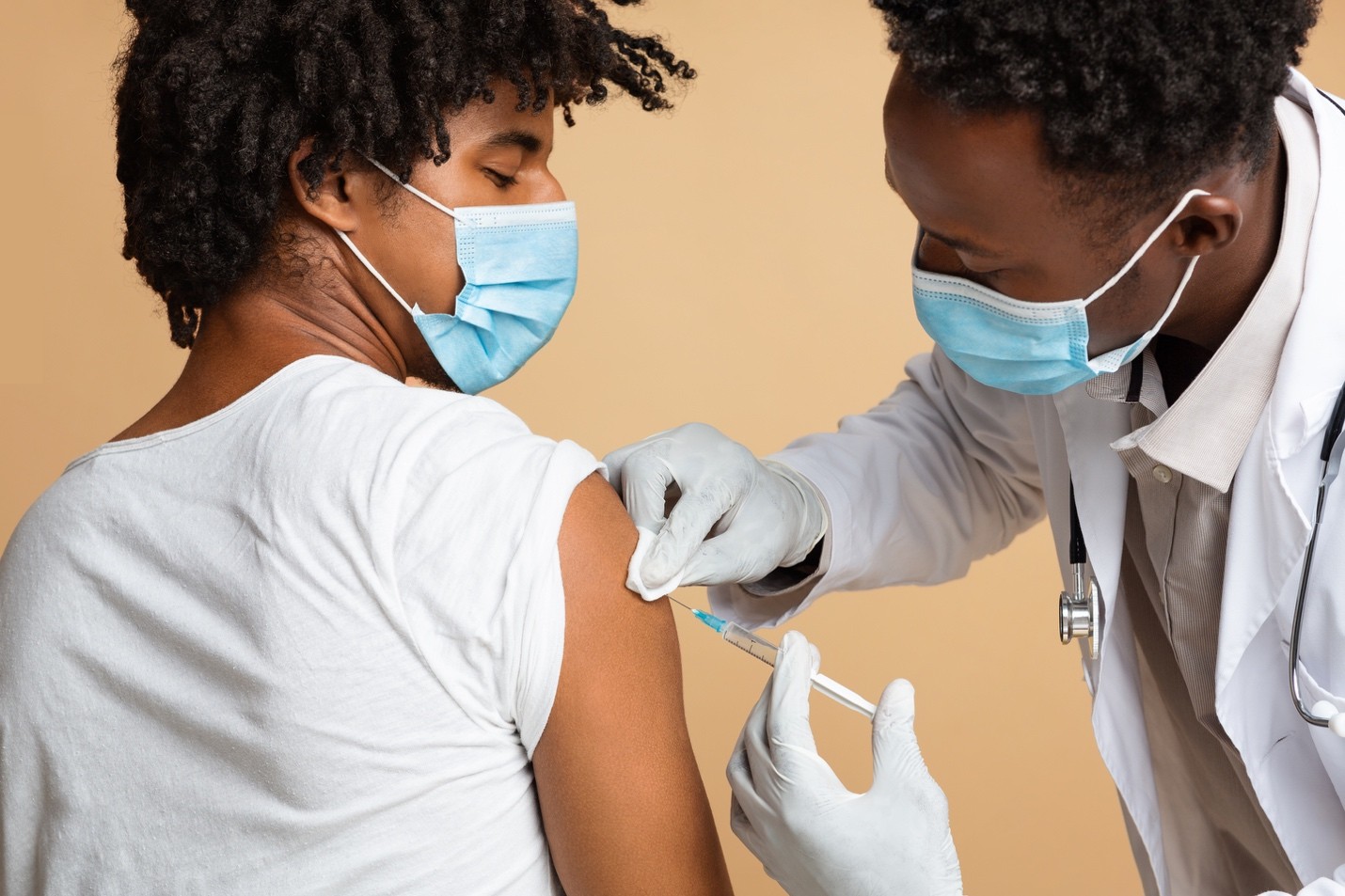
(Caption: As vaccine skepticism persists in Black communities, trusted health professionals and community-based outreach can help turn credible information into confident health decisions.)
More than 2,300 measles cases have been reported in the United States in the first seven months of 2026, the highest number in 35 years. The resurgence comes as vaccination rates continue to decline, with 93 percent of people infected with measles this year either unvaccinated or having an unknown vaccination status.
The numbers have renewed questions about vaccine confidence and how health organizations can reach communities where skepticism about medical institutions remains strong.
For Black communities, that conversation comes with a complicated history.
During the COVID-19 pandemic, Black adults reported lower levels of confidence in vaccine safety and effectiveness than some other racial groups, reflecting concerns that were shaped in part by longstanding experiences with the health care system. Those concerns did not emerge in a vacuum.
 (Caption: Vaccine skepticism does not exist in isolation. For many Black patients, it is tied to a long history of being unheard, overlooked or mistreated in health care.)
Black women, including Geynna Buffington, have described undergoing medical procedures without fully understanding their implications for fertility. Black men like Mark Thompson had their pain dismissed by doctors only for it to later be revealed they were suffering from severe kidney issues.
A 2024 Pew Research Center survey found that 55 percent of Black Americans believe medical experiments are currently being conducted on Black people without their knowledge or consent, while 78 percent said they had heard about such experimentation.
The survey provides insight on why some Black Americans may approach medical recommendations with caution. That presents a challenge for health organizations trying to increase vaccination rates and prevent illnesses that can lead to serious complications.
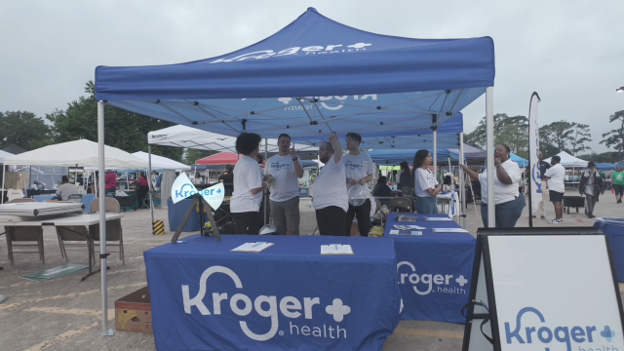
(Caption: Kroger Health representatives connect with attendees at the 2026 Houston Black Men’s Wellness Day, bringing vaccine education and preventive care directly into the community.)
“If you are not vaccinated for an illness, you can get admitted to the hospital for something you didn’t know could be prevented,” said a Kroger Health representative. “Being able to get vaccinated to prevent it can keep you out of the hospital.”
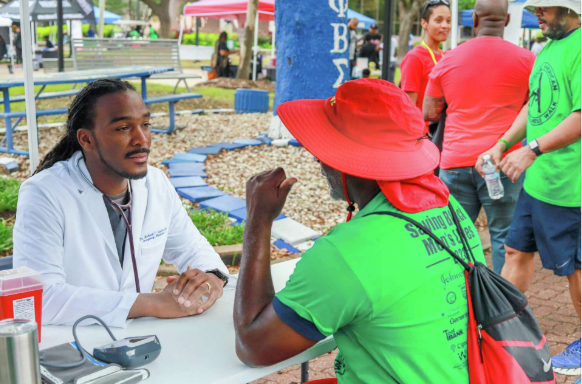
AAMWA’s annual Black Men’s Wellness Day in Houston, drew more than 10,000 attendees. The event offered free health screenings, preventive care education and opportunities to connect with health and wellness organizations, reflecting the organization’s ‘clinic to community’ approach.
The approach is rooted in a simple premise, showing that health information can be more effective when it reaches people in places where they live. Research conducted during the COVID-19 pandemic suggests that meeting people in trusted community settings can help build confidence in vaccination.
Researchers at Loma Linda University School of Pharmacy partnered with Black faith leaders and a Black pharmacist to conduct vaccine education webinars before bringing a mobile vaccination clinic to a Black church parking lot. The effort resulted in 417 vaccinations, 84 percent of them among Black residents. Black participation at the county’s mass vaccination clinics also increased from 3 percent to 3.6 percent the following week.
Researchers found that the relationships faith leaders had built within the community played an important role in encouraging residents to participate.
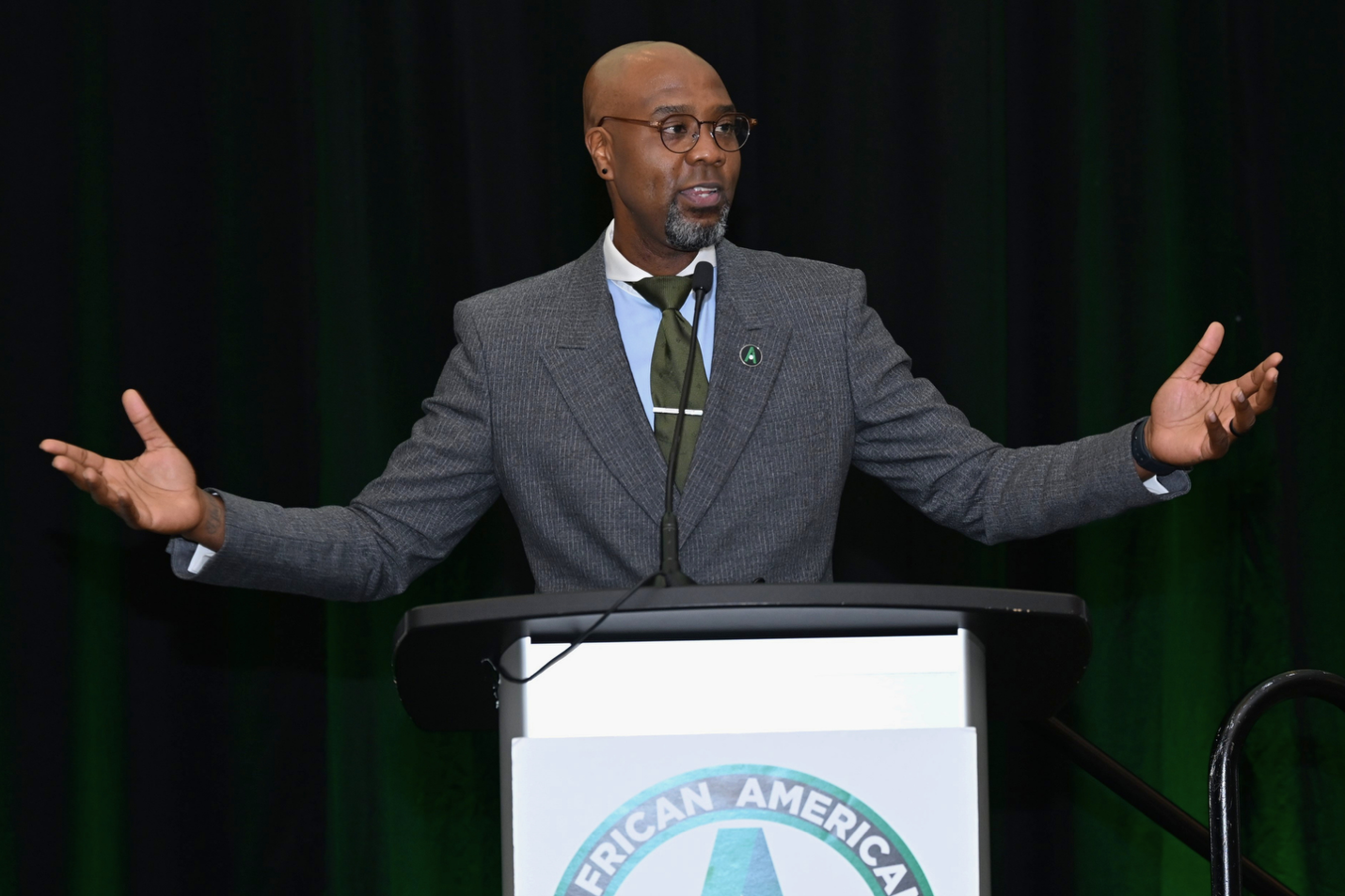 (Caption: AAMWA Vice President Jamail Johnson speaks ahead of the 2026 Columbus Black Men’s Wellness Day. Johnson says building health trust starts with meeting people where they are.)
“Building vaccine confidence starts with meeting people where they are and connecting them with people they trust,” said Jamail Johnson, vice president of AAMWA. “When Black faith leaders, Black health professionals and other trusted members of the community are part of the conversation, health information becomes more personal and accessible.”
For health organizations, the lesson extends beyond vaccines.
Community-based outreach can create opportunities for conversations about preventive care before someone enters a hospital or doctor’s office. It also gives people an opportunity to ask questions directly of health professionals and make decisions with information they may not otherwise seek out.
“That’s why Kroger also comes out here [to Black Men’s Wellness Day],” said the Kroger Health representative. “We want to promote vaccines and vaccine wellness to our community.”
As concerns about vaccination continue, AAMWA’s approach underscores the importance of bringing health information into the communities it is intended to serve. Building confidence requires more than information alone. It requires trusted messengers, meaningful conversations and a presence in places where people already feel connected.