Columbus Partners Provide HIV Screening to Help Communities Get Checked Out Not Checked In

HIV in the United States affects every race and ethnicity, but for Black Americans, the virus remains a stark reminder of persistent health inequities and missed preventative action steps.
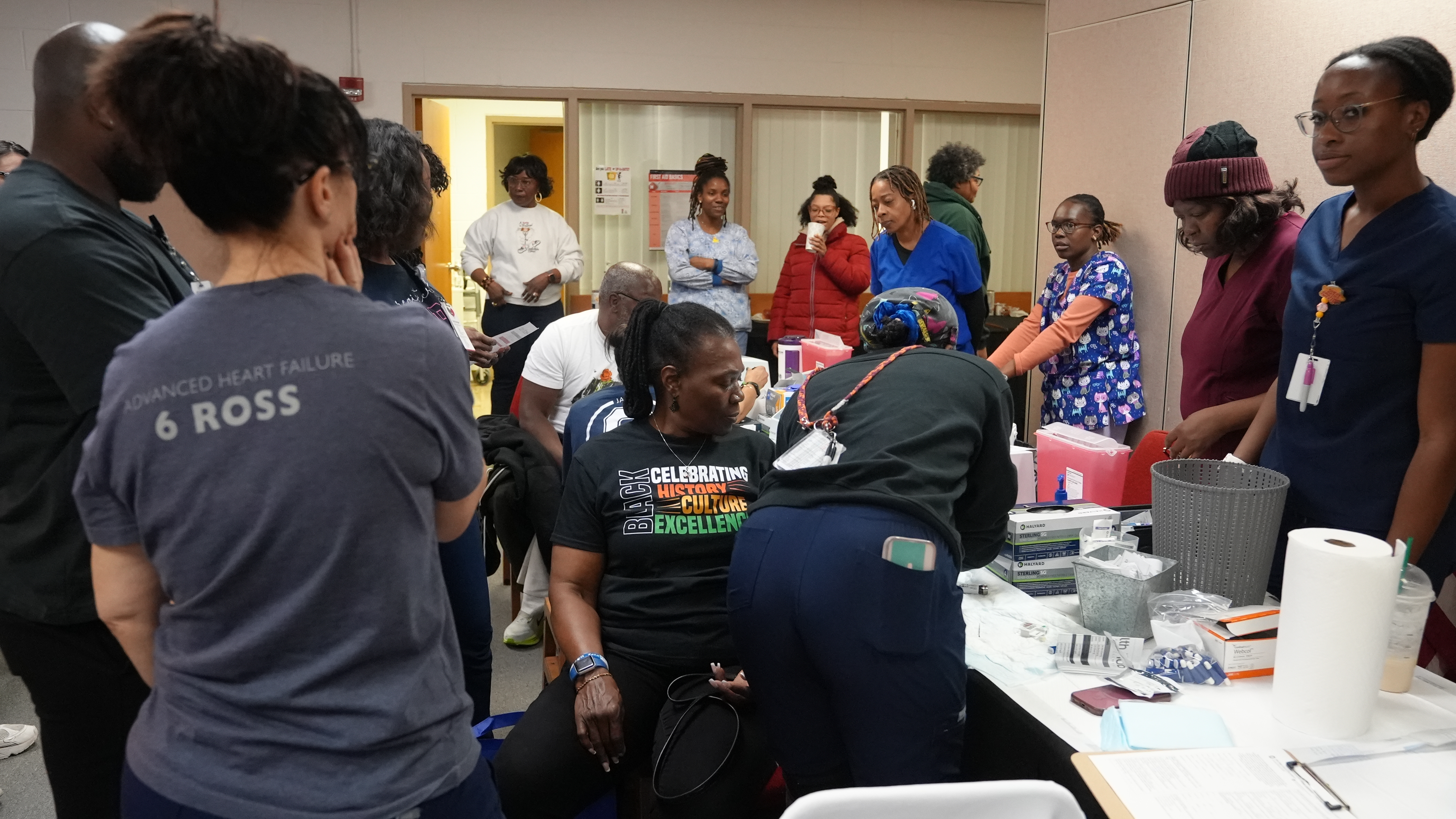
On February 7, in observance of National Black HIV/AIDS Awareness Day, the Ohio State University Wexner Medical Center, African American Male Wellness Agency (AAMWA), Gilead Sciences, the Aids Healthcare Foundation, Franklin County Board of Commissioners, and others partnered for a community health screening event at Friendship Baptist Church on the west side of Columbus to provide preventive healthcare and reinforce the importance of early detection.
According to the U.S. Department of Health and Human Services, non-Hispanic Black or African Americans were diagnosed with HIV infection at more than 2.5 times the rate of other populations in 2023. Black males were nearly three times as likely to be diagnosed as all U.S. males. Despite these alarming disparities, overall HIV diagnoses in Black communities have plateaued rather than declined.
This stigma remains a powerful barrier.
In many communities, HIV is still associated with shame and fear, and many people continue to view a diagnosis as a “death sentence,” despite decades of medical advancements that allow individuals living with HIV to lead long, healthy lives when diagnosed early.
One striking paradox in the data is that while Black adults are more likely than other groups to have ever been tested for HIV, more than one-third have still never been tested at all.
“A lot of Black people do not like to get screened,” said Joseph “Jojo” Berry II, an outreach medical coordinator for the Central Outreach Wellness Center, who helped with screenings at the event.
Central Outreach Wellness Center, Pennsylvania’s largest LGBTQ+ medical clinic, with offices in Ohio, including one in Columbus, administered the HIV/AIDS and STI screenings at the event in a mobile truck, providing privacy to its patients.
“It’s very important to go get health screenings every three to six months,” he said.
In addition, the Centers for Disease Control and Prevention recommends those with multiple or anonymous partners get tested at this frequency.
“The African American Male Wellness Agency is breaking down stigma, and with that partnership we are able to provide the STI and HIV prevention,” said Berry.
While HIV/AIDS screenings were the main focus, the event also offered other biometric screenings to provide a more complete picture of community health.
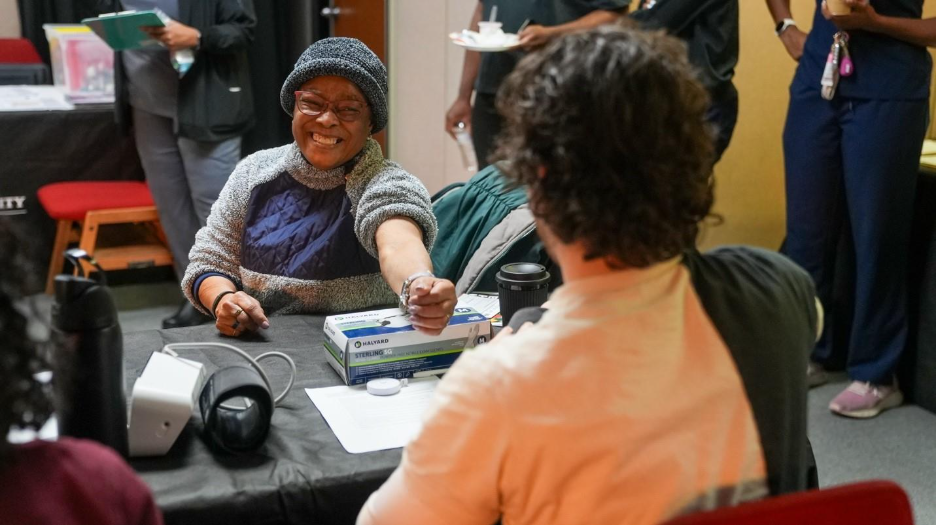
Through its ongoing initiatives, AAMWA is working to confront these disparities by educating communities, expanding access to preventive healthcare, and destigmatizing HIV testing and treatment.
“When we say, ‘Get Checked Out Not Checked In,’ that includes HIV testing, and through our community partnerships, we’re breaking stigma while giving Black men and their families the tools to take control of their health,” said Kenny Hampton, president of AAMWA.
By rebuilding trust between Black communities and the healthcare system, partnerships led by organizations like Ohio State University and AAMWA aim to help create spaces where knowing their numbers is an act of self-care and empowerment.